Showing posts with label senior safety. Show all posts

Tuesday, May 31, 2016

Safeguard Elderly Against the Outdoor Heat


Safeguard Elderly Against the Outdoor Heat


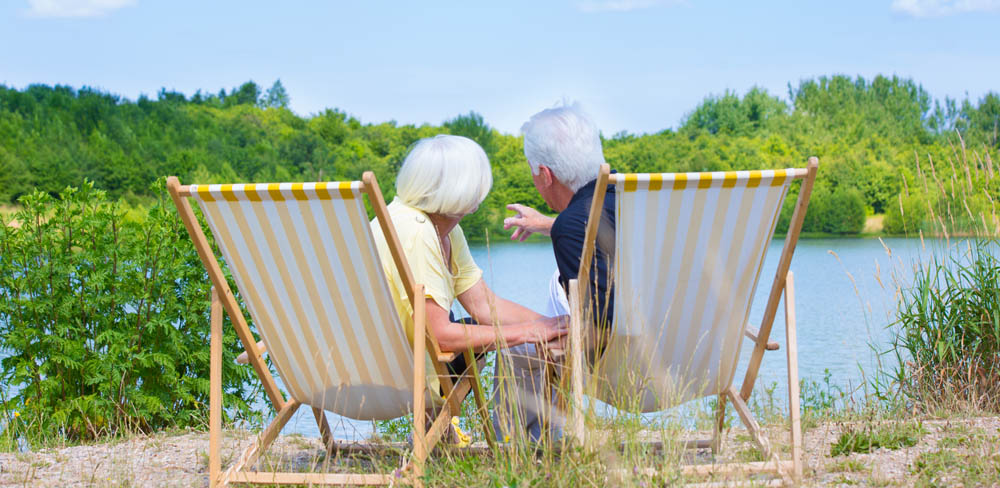
Relaxen im Liegestuhl

As we get closer to the end of the dog days of summer we must remember that we are not out of danger when it comes to the heat of the late-summer sun. As we all know, the sun continues to provide us with its extensive warmth all the way through September.
The dangers involved with going out into the heat of the sun are often overshadowed by the dangers of sunburn. Prolonged exposure to the sun results in sunburn, heat exhaustion, dehydration, and heat stroke. There are a number of things we can do to avoid these conditions but ultimately, the best way to avoid these dangers for our seniors, is to pay close attention to them.
1. Visit them twice a day and help them stay in contact with their neighbors. This is very helpful since seniors who remain isolated are at risk of heat related conditions.
2. Avoid going outside during the mid-day heat. Plan any errands for the morning or late evening.
3. Stay hydrated. Do not wait until you are thirsty since it takes time for your brain to signal thirst. It is important to note that for seniors, the thirst sensation is even less sensitive than that of younger adults.
4. Wear appropriate clothing. For seniors, the body's ability to cool itself is not as good as it once was. Compensate for this by donning clothes that are cool, breathable and loose-fitting.
5. Wear lots of sunscreen ensuring that the ears, nose and lips are protected with a minimum of an SPF 15 sunscreen. Consider wearing a hat and sunglasses as well. The hat will help protect your head and provide shade to your neck and face. Sunglasses with UV protection will protect your eyes and reduce the risk of developing cataracts.

Tuesday, June 16, 2015

ParentYourParent.com ~ How Save Is Your Home For Seniors?


How Safe is Your Home for Seniors?

Determining how safe your home is for seniors often presents simple fixes. Senior visitors will not only feel more comfortable but will surely appreciate your efforts as well.
Let There Be Light
Some refer to it as ‘seniorizing’ and a well-lit home is number one on the list. This is essential for preventing falls in your home and is especially important around steps, particularly small ones going from one room to another.
If you don’t have good light in and around your home then very few places will be safe for seniors.
The Centers for Disease Control and Prevention (CDC) reported that:
  • Among older adults, falls are the leading cause of both fatal and nonfatal injuries.
  • In 2013, 2.5 million nonfatal falls among older adults were treated in emergency departments and more than 734,000 of these patients were hospitalized.
  • Twenty to thirty percent of people who fall suffer moderate to severe injuries such as lacerations, hip fractures, and head traumas. These injuries can make it hard to get around or live independently, and increase the risk of early death.
  • In 2011, about 22,900 older adults died from unintentional fall injuries.
Look for plug-in, battery powered, or wireless footlights to illuminate shadowy inside and outside pathways. Also, an excellent investment is motion-sensor technology. This eliminates the need for a senior to grope for a wall switch which could lead to an accident.
Railing
Any loose or weak railing throughout your home has catastrophe written all over it. Falls can be prevented when secure hand railing is within reach.
Secure or replace weak railing and look for areas where more can be installed. Many companies offer aesthetically pleasing wood designs as opposed to unsightly silver hospital type tubing.
The Most Dangerous Room
One room that needs special attention is the bathroom. For seniors this can be the most dangerous area in your home. Chance of injury here is high due to all the physical activities involved.
Sitting and standing while struggling with constricting clothes makes for balance challenges. The hospital type tubing rail is best for a bathroom especially in the shower. Also in the shower, tub grips should be used to reduce slippage.
A tub seat and/or a heightened toilet seat are very helpful if there are some physical conditions a senior may be struggling with.
The Other Most Dangerous Room
It is no surprise that the kitchen has so many hazards. When it comes to certain age related issues seniors may be experiencing, these hazards could get out of control.
For instance, if you have gas knobs on your stove you may want to consider covering them with childproof devices. This eliminates anyone that may not see well or is a little off on their balance from brushing into them and inadvertently turning on the gas. By the way, knobs you need to push in to operate are not foolproof to this scenario.
Peruse and Re-do
After taking care of the heavy hitters you’ll want to take a look around your home to determine some minor adjustments that could also be helpful. This is always best done by putting yourself in the body and mind of your closest senior.
Here are some concerns to consider:
A Path – If your furniture is too difficult to maneuver open up the room by either storing some pieces or rearranging them.
Skewers – Look for sharp corners that need to be covered.
Suction Furniture – If some chairs sink very low your senior will struggle just to get to their feet. Place a flat, sturdy couch pillow on the seat for support.
Broken Noses – Glass doors and floor to ceiling windows need a display, eye level decals, an embedded design or may want to be blocked so they don’t get walked into.
Throw the Throws – You might as well put a few banana peels on the floor if you’re going to have throw rugs down when a senior visits. These get easily bunched up causing trips and unless they are secured underneath, can sometimes slip out from under you.
Loose Cords – Now that every outlet has a phone or computer charger cord snaking out, make sure these and other electrical slithers stay out of tripping range.
Keeping your home safe for seniors offers peace of mind all around. Stay on top of these and other dangerous scenarios to reduce any potential accidents.
Originally born in Flagstaff, Arizona, Felicity Dryer was raised by her parents (more or less modern-day hippies) to always make her health a top priority. She moved to Los Angeles to pursue her career as a freelance health writer, and continues to help those seeking encouragement to keep moving forward to achieve their goals. @FelicityDryer
ParentYourParents.com ~ Helping You Help Your Aging Parents

Wednesday, June 11, 2014

How Aging Impacts Personal Safety At Home For Seniors


Making Sense of Senior Safety


Helping-Sense


Observing the safety hazards in a senior’s home is one thing. Living them is another.

It’s not always easy to understand the physical limitations older adults face that could make home a virtual minefield for an aging parent.
According to research conducted by Home Instead, Inc., franchisor of the Home Instead Senior Care® network, nearly 100% of emergency room doctors in the U.S. and Canada report that the following health conditions are very serious risk factors as potential causes for injuries or accidents at home:
  • Mobility Problems
  • Poor Eyesight
  • Balance Issues
  • Confusion or Dementia
  • Impaired Motor Skills
Try putting yourself in a senior’s shoes. Difficult? Perhaps this will put things in perspective:
As time goes on, the effects of aging could impact all senses including hearing, vision, taste, smell and touch. These sensory changes often affect an older adult’s lifestyle as well. It’s a domino effect, of sorts, that might make a senior vulnerable to safety issues in the home.
Poor eyesight, for instance, could make it more difficult to see a throw rug, safely use a knife to cut an apple or take the proper dose of medication.

Aging’s Effects on the Five Senses

The following describes how aging can compromise the five senses:
Sight: By the time someone is 60, pupils decrease to about one-third the size they were at age 20. Add to that aging-related eye conditions such as cataracts and macular degeneration.
Taste: We start out with about 9,000 taste buds. They decrease in both number and mass with aging.
Smell: Sense of smell can diminish, especially after age 70, because of loss of nerve endings and less mucus in the nose.
Touch: Decreased blood flow to nerve endings as we age can reduce the sense of pain and temperature.
Hearing: Our ears control hearing and sense of balance, both of which can be compromised as we age.

Making Home Safer for Seniors with Diminished Senses

It’s possible to counteract the effects of aging by being proactive. In fact, 100% of emergency room doctors surveyed in both the U.S. and Canada say it is very important that adult children take a least one day each year to perform a safety check of their loved one’s home.
Discover the ways you could help older adults safeguard their homes by completing a room-by-room safety check.
Visit our website to learn more @ www.homeinstead.com/eastvalley 

Tuesday, June 3, 2014

Nearly Half of Senior Home Accidents are Preventable


Home Instead Senior Care of Southeast Valley Offers Free Home Safety Checks and Easy Fixes to Reduce Accidents; Ensure Safety of Seniors


Nearly 20 million seniors ages 65 and older visit the emergency room each year with almost a third of the visits related to injuries*, many of which are sustained in the place seniors are meant to feel the safest: their home. In fact, 65 percent of senior homes have at least one potential safety issue, according to adult children of seniors surveyed by Home Instead, Inc., franchisor of the Home Instead Senior Care® network. However, almost half of all home accidents by seniors (48 percent) can be avoided according to a recent survey of emergency room doctors.** 


These preventable home hazards, such as throw rugs or loose railings, can be particularly harmful, leading to falls and injuries that can impact seniors' ability to live independently. However, the majority of seniors (85 percent) haven't taken any steps to prepare their homes for their changing needs as they grow older.

"The home should be the safest and most comfortable place for aging seniors," says Mahnaz Pourian of the Home Instead Senior Care office serving Southeast Valley. "It is critical for families and seniors to invest the time in identifying the necessary home safety modifications to ensure it stays that way."

Senior home safety experts recommend that adult children of seniors take at least one day each year to perform a thorough safety check of their parents' home. To help families accomplish this goal and help seniors reduce the risk of injury in their own homes, the Home Instead Senior Care office serving Southeast Valley is offering free home safety checks conducted by local senior care experts throughout the month. The safety checks will be provided at no cost on a time-available basis.

"An annual safety check can help seniors avoid dangers that could threaten their independence," said Pourian. "When we go into homes, we see a lot of red flags that are easily overlooked by those who are familiar with the home. Most of the time, these are relatively easy and affordable fixes-and they could be the difference between a trip to the emergency room and staying safe at home."

The most common issues found in seniors' homes are tripping hazards, bathrooms without assistive equipment, such as grab bars on the shower or tub, and storage that's too high or too low. A free home safety checklist, online safety assessment and recommendations for inexpensive modifications that could ensure the safety of older loved ones are also available atwww.makinghomesaferforseniors.com.

These free safety checks and support resources are part of Home Instead Inc.'s broader Making Home Safer for SeniorsSMprogram. To request a free home safety check or the home safety checklist, please call the local Home Instead Senior Care office at 480-827-4343.


Visit our website at:  www.homeinstead.com/eastvalley